When it comes to packaging, many people think about colors, prints, or materials first. But here’s the thing: shape often speaks louder than design. You might not realize it, but the form of your package can influence everything from shelf appeal to shipping efficiency, and even how a customer perceives your brand. So, the question isn’t just “what looks good?” but rather, what is the most suitable shape for the packaging that balances aesthetics, function, and brand messaging? Let’s explore.
Why Packaging Shape Matters
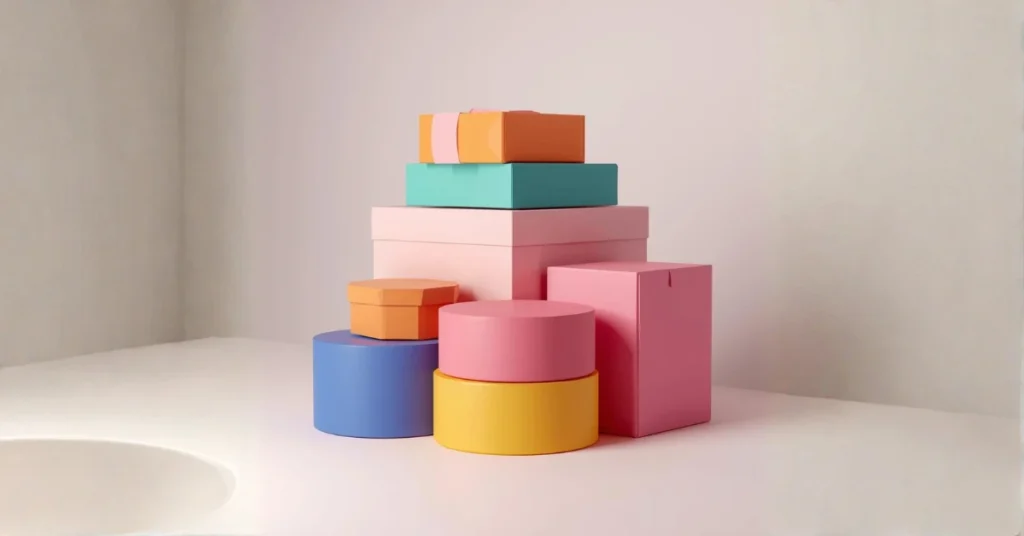
Think about your favorite products. The chocolate bar in its slender rectangular wrapper, the luxurious perfume in a square box, or that funky cylindrical candle you bought last holiday season. Shapes evoke emotions, subtly influencing our purchasing decisions.
- Round shapes often feel friendly, soft, and approachable.
- Squares and rectangles convey reliability and structure.
- Custom, irregular shapes scream creativity, exclusivity, and sometimes luxury.
You see, packaging is not just protection it’s storytelling. A well-chosen shape can communicate instantly: “This is premium,” or “This is playful,” without the customer even reading a single word.
Popular Packaging Shapes and Their Uses
Not every shape works for every product. Let’s break down some of the most common shapes and why they’re popular.
Rectangular Boxes
By far the most versatile, rectangular boxes are used everywhere from electronics to cosmetics.
- Why they work: They’re easy to stack, ship, and store. Retailers love them; logistics teams love them.
- Best use cases: Large-scale products, multiple-item packaging, subscription boxes.
- Example: Many cosmetic boxes, retail boxes, and product bundles are rectangular for maximum convenience.
Square Boxes
Square boxes might seem like a simple twist on rectangular ones, but they carry a premium feel.
- Why they stand out: Squares feel balanced and symmetrical, often suggesting luxury or exclusivity.
- Best use cases: Jewelry, luxury gifts, or boutique items.
- Example: You can see this in square jewelry boxes that enhance the unboxing experience and make the product feel special.
Cylindrical or Tubular Boxes
Ever notice how candles, special teas, or collectible items come in cylindrical boxes? There’s a reason.
- Why they work: Cylindrical shapes are eye-catching and stand out on shelves, giving a product a unique presence.
- Best use cases: Specialty food items, candles, cosmetics, or limited-edition collectibles.
Custom or Geometric Shapes
Sometimes, brands want to break free from conventional packaging. Triangles, hexagons, or entirely custom shapes are increasingly popular.
- Why they work: They create a memorable experience. A customer isn’t just buying a product; they’re buying an impression.
- Best use cases: High-end products, promotional items, or niche markets.
- Note: These can be costlier but often pay off by elevating brand perception and social media shareability.
Factors to Consider When Choosing the Best Packaging Shape
Picking a shape isn’t just about what “looks cool.” Several factors weigh in:
- Product dimensions and fragility: A fragile item may need a snug, rectangular box with protective inserts.
- Shipping and storage: Shapes that stack well reduce shipping costs and make warehousing efficient.
- Brand identity: Minimalist, geometric shapes convey modernity; curves might convey friendliness.
- Consumer convenience: Can the customer easily open it? Carry it? Reuse it?
- Sustainability: Eco-conscious packaging may favor simpler shapes that reduce material waste.
You know what? Many brands underestimate these considerations and end up with packaging that looks great on the shelf but is impractical behind the scenes.
Matching Packaging Shapes with Product Types
Certain products naturally suit specific shapes. Here’s a quick guide:
- Food and Beverages: Rectangular cartons or cylindrical cans are common. Cylinders often work for premium or gift packaging, while rectangles are standard for shipping and storage efficiency.
- Cosmetics: Square boxes feel premium; rectangular boxes allow for multiple items or sets. Cylindrical tubes are perfect for creams, serums, or candles.
- Electronics: Rectangular boxes protect components and allow for organized inserts.
- Luxury Items: Unique, custom shapes enhance the unboxing experience, creating a memorable moment for the customer.
By choosing a shape aligned with your product type, you’re already halfway to packaging success.
Innovative Packaging Design Examples
Sometimes, it helps to look at inspiration. Packaging design ideas are evolving rapidly, blending aesthetics with functionality:
- Layered Boxes: Some brands use multiple layers or trays to create excitement during unboxing.
- Interactive Packaging: Boxes that fold, pop, or reveal the product in stages.
- Mixed Shapes: A rectangular box paired with a cylindrical insert or tray for smaller items.
For inspiration, check out packaging design examples that show creative ways brands play with shape and functionality.
How Shape Influences Brand Perception
Shape is a silent marketer. Here’s how:
- Luxury: Square, symmetrical, and rigid shapes suggest sophistication.
- Playful or Fun: Rounded or irregular shapes feel friendly and approachable.
- Eco-Friendly: Simple, minimal shapes often signal sustainability.
- Reliability: Rectangular and boxy shapes communicate order and trust.
Even subtle choices, like a curved flap or a triangular lid, can evoke emotions sometimes without the customer realizing it.
Practical Tips to Choose a Suitable Shape for Packaging
Alright, let’s get down to action. How do you pick the right shape for your packaging?
- Start with the product: Measure dimensions, weight, and fragility.
- Think about storage and shipping: Will it stack? Will it survive transit?
- Consider consumer experience: Ease of opening, reusability, and handling.
- Experiment with prototypes: Before mass production, test small batches.
- Consult experts: If in doubt, reach out for advice or samples (get a free consultation here).
Remember, the right shape is a blend of function, aesthetics, and brand storytelling.
Common Mistakes to Avoid
Even experienced brands slip up. Here are pitfalls to watch out for:
- Choosing a shape purely for looks and ignoring function.
- Forgetting shipping and storage constraints.
- Overcomplicating shapes that confuse consumers or increase production costs.
- Ignoring the unboxing experience, which is a huge part of modern marketing.
You don’t want your beautifully designed, triangular box ending up crushed or frustrating customers.
Future Trends in Packaging Shapes
Packaging isn’t static. Here’s what’s emerging:
- Eco-friendly, minimalistic designs: Simple shapes, less material, big impact.
- Interactive and modular shapes: Packaging that transforms, folds, or doubles as a display.
- Tech integration: Shapes that incorporate QR codes, AR experiences, or NFC for engagement.
- Custom geometric forms: Limited editions, social media-friendly designs, and collector items.
Brands that stay ahead of these trends often win both attention and loyalty.
Conclusion
So, what’s the verdict? The best shape for packaging isn’t a one-size-fits-all solution. It’s a careful mix of:
- Functionality (protecting and transporting your product)
- Brand identity (luxury, fun, eco-friendly, reliable)
- Consumer experience (ease of use and unboxing delight)
Rectangles and squares remain practical staples, but don’t shy away from unique shapes if they fit your brand story. After all, packaging is the first conversation you have with a customer it’s worth making it memorable.
If you’re curious to explore more packaging design ideas or want to see inspiring box design examples for project purposes, check out Custom Design Packaging for tips, examples, and consultations.