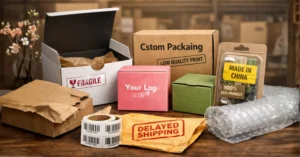
Packaging is much more than a box or a label it’s the first physical touchpoint between your brand and the customer. Whether you sell handmade candles, medical supplies, or CBD products, understanding packaging types primary, secondary, and tertiary is essential for product safety, customer satisfaction, and business efficiency.
In this deep‑dive guide, we’ll cover everything you need to know from definitions and examples to best practices, costs, and sustainability considerations.
This is your ultimate packaging authority written for business owners, not just marketers.
What Is Packaging?
At the highest level, packaging refers to all materials and processes involved in protecting, handling, storing, and presenting a product.
Good packaging serves multiple functions:
- Protection: Safeguards products during shipping and storage
- Information: Displays product, regulatory, and safety data
- Branding: Creates a memorable customer experience
- Efficiency: Improves logistics and shelf management
Every product from liquid soap to custom cereal boxes goes through a packaging process that often includes three distinct layers:
- Primary Packaging
- Secondary Packaging
- Tertiary Packaging
Let’s unpack (pun intended) these.
Why Packaging Matters for Your Business
Packaging influences sales, protects products, and builds trust.
Here’s how:
A. First Impressions Drive Buying Decisions
Customers often decide whether to buy a product within seconds of seeing its packaging — especially in retail environments.
B. Reduces Damage & Returns
Proper packaging prevents breakage and spoilage which directly improves your bottom line.
C. Compliance & Safety
Products like medical tools and cosmetic boxes require labels and packaging that meet industry regulations.
For high‑quality solutions from cosmetic boxes to medical boxes make sure your packaging delivers both form and function.
Explore more packaging options:
➡️ Retail Boxes
➡️ Medical Boxes
➡️ CBD Boxes
Primary Packaging – Definition, Purpose & Examples
What Is Primary Packaging?
Primary packaging is the immediate wrapper, container, or material that directly touches your product.
This is the packaging that customers see first and often interact with during purchase and use.
Primary Packaging Examples
- Bottle containing lotion
- Wrapper around a chocolate bar
- Jar for cream
- Custom cookie box directly holding cookies
Key Purposes of Primary Packaging
- Product Protection: Prevents spoilage or contamination
- Usage Assistance: Easy application or consumption
- Information Provision: Labels, ingredients, warnings
- Branding & Aesthetics: Color, design, structure
Real‑World Examples
✦ Cosmetic Packaging
For personal care items like creams or lip balm:
Cosmetic Boxes are designed to reflect quality and brand identity while securing contents.
✦ Bakery Goods
For fresh products like cupcakes:
Bakery Boxes deliver freshness and presentation excellence.
Secondary Packaging – What It Is & How It Helps
What Is Secondary Packaging?
Secondary packaging is the outer layer that groups one or more primary packages. It is not seen by the end customer in most cases but it plays a critical role in presentation and logistics.
Examples
- A carton that holds multiple lipstick boxes
- A custom display tray for retail
- A branded box containing assorted products
Functions of Secondary Packaging
- Brand Presentation on Shelves: Enhances shelf impact
- Bulk Protection: Holds multiple units together
- Retail Display: Supports merchandising needs
Secondary packaging can be especially powerful for retail merchandising it increases visibility and makes inventory easier to manage.
Learn more about display packaging:
➡️ Display Boxes
6. Tertiary Packaging – Logistics, Protection & Efficiency
What Is Tertiary Packaging?
Tertiary packaging is used for handling, storage, and transportation. It’s usually not seen by the consumer.
Think pallets, shrink wrap, and large cartons.
Key Roles of Tertiary Packaging
- Bulk Transport Protection
- Handling Efficiency
- Shipping Cost Optimization
Examples
- Cardboard pallet loads
- Shrink film around grouped products
- Large corrugated cartons
Tertiary packaging is especially important if your business ships products globally or in large batches — minimizing damage and maximizing logistics efficiency.
For optimized shipping protection, see:
➡️ Shipping Policy
How These Packaging Types Work Together
To understand packaging holistically, consider how primary, secondary, and tertiary packaging operate as a system.
| Stage | Packaging Type | Core Function |
|---|---|---|
| 1 | Primary | Protects and presents individual products |
| 2 | Secondary | Groups products and improves retail appeal |
| 3 | Tertiary | Protects and transports products in bulk |
Scenario: New Skincare Brand
A new skincare business uses:
- Primary Packaging: Custom printed cream jars
- Secondary Packaging: Beautiful box sets for gift bundles
- Tertiary Packaging: Bulk cartons and pallets for shipment
Every product touches all three packaging types before reaching customers.
This strategy:
✅ Enhances retail appeal
✅ Reduces damage
✅ Improves customer experience
8. Packaging Materials & Sustainability Trends
Modern business owners must consider sustainability in packaging decisions.
Common Packaging Materials
- Cardboard & Corrugated Paper
- Plastic (PET, HDPE)
- Glass
- Biodegradable materials
- Composites
Each has tradeoffs in:
- Cost
- Protection
- Environmental impact
Sustainable Packaging Trends
- Recyclable primary boxes
- Compostable secondary packaging
- Reduced plastic use
- Minimal tertiary packaging weight
If sustainability matters to your audience, align your choices with eco‑friendly materials.
For eco packaging solutions, explore:
➡️ Eco‑Friendly Cosmetic Packaging Ideas
Common Packaging Mistakes & How to Avoid Them
Even experienced business owners make avoidable errors.
Mistake #1: Ignoring Function for Aesthetics
Beautiful packaging that fails protection costs more in returns.
Fix: Balance design with durability.
Mistake #2: Overpackaging
Too much tertiary packaging increases cost and environmental impact.
Fix: Use right‑sized materials and lightweight solutions.
Mistake #3: Skipping Compliance
Industry compliance (especially for medical boxes) is non‑negotiable.
Fix: Research standards before packaging design.
Packaging Design Best Practices
Good design improves sales and reduces returns.
1. Start With Customer Use Cases
Know how your customer interacts with the product.
2. Optimize for Retail vs. E‑Commerce
Retail packaging needs shelf appeal — e‑commerce packaging needs protection.
3. Clear Labels + Callouts
Legibility matters for both safety and marketing.
4. Test Packaging Before Launch
Run physical tests for drop, temperature, and compression.
If you sell printed products, consider printing services like:
➡️ Bakery Boxes Printing
➡️ Cosmetic Boxes Printing
Cost Factors & ROI of Packaging
Packaging represents a cost but smart packaging is an investment.
Primary Cost Factors
- Material type
- Custom design
- Print quality
- Production volume
ROI Considerations
- Reduced returns
- Higher perceived value
- More repeat purchases
Use ROI calculators to evaluate packaging impact:
➡️ Calculate Your Custom Packaging ROI
Packaging Regulations & Compliance
Different products face different rules:
- Food & Beverage
- Medical Devices
- Cosmetics
- Hazardous Materials
Complying with regulations minimizes risk and builds trust.
For guidance on specialized packaging, explore industry pages like:
➡️ Medical Boxes
Frequently Asked Questions
Q: What is the difference between primary, secondary & tertiary packaging?
A: Primary packaging touches the product directly; secondary groups multiple products for display or storage; tertiary protects during transport.
Q: Which packaging type adds the most cost?
A: Primary packaging tends to cost more due to customization and materials, but tertiary may increase logistics cost if poorly optimized.
Q: Can packaging be eco‑friendly and cost‑effective?
A: Yes. Choosing recyclable materials and optimized designs reduces both waste and long‑term cost.
Q: How does packaging affect brand perception?
A: Packaging is often the first physical interaction a customer has a strong design increases trust and perceived value.
Conclusion
Packaging is a strategic business asset not just a box.
Whether you’re launching a new product or optimizing existing packaging workflows, understanding primary, secondary, and tertiary packaging ensures every touchpoint from warehouse to customer is optimized for protection, presentation, and profitability.
Smart packaging choices:
✔ Reduce damage & returns
✔ Boost sales & brand loyalty
✔ Improve operational efficiency
✔ Support sustainability goals
Ready to elevate your packaging and protect your products with industry‑leading solutions?
Get a free consultation to design custom packaging that aligns with your brand and business goals: https://customdesignpackaging.com/get-free-consultation/