Ever bought a new pair of shoes and noticed how satisfying it feels to open that perfectly shaped box? The sound, the smooth lid lift, the neat tissue fold it’s not just packaging; it’s part of the experience.
For shoe brands, packaging is the first conversation with a customer. Before they try on the shoes or even touch the material, the box tells a story about craftsmanship, care, and brand quality. That’s why knowing your standard shoe box size and how to customize it is more than logistics, it’s a marketing edge.
At Custom Design Packaging, we’ve seen firsthand how the right dimensions, materials, and design details can elevate a shoe brand’s presentation and reduce waste at the same time.
Whether you’re a startup launching your first sneaker line or an established label revamping your retail boxes, understanding shoe box dimensions is your first step toward packaging perfection.
Let’s unpack it.
What Is the Standard Shoe Box Size?
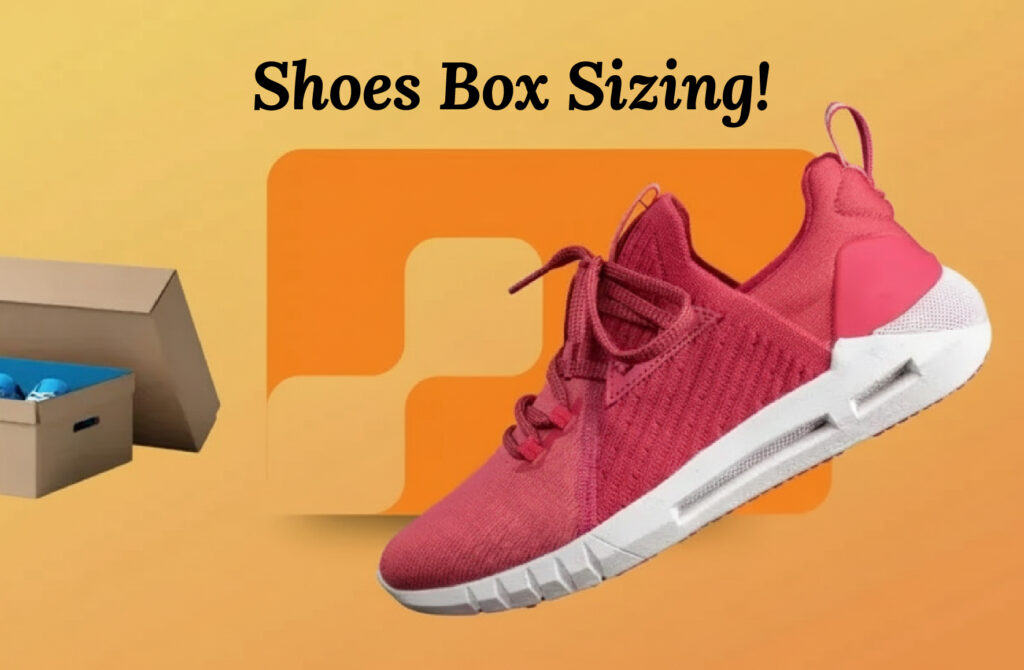
You might assume there’s a “universal” shoe box size but the truth is, shoe boxes vary depending on shoe type, region, and brand style. However, there are industry standards that most brands follow to ensure efficient shipping, stacking, and retail display.
Here’s a quick reference table summarizing the standard shoe box dimensions (in inches and centimeters):
| Category | Length (inches) | Width (inches) | Height (inches) | Centimeters (approx.) |
|---|---|---|---|---|
| Men’s Shoes | 13.5″ | 8″ | 5″ | 34.3 × 20.3 × 12.7 cm |
| Women’s Shoes | 12.5″ | 7.5″ | 4.5″ | 31.8 × 19.1 × 11.4 cm |
| Kids’ Shoes | 10″ | 6.5″ | 4″ | 25.4 × 16.5 × 10.2 cm |
| Boots (Ankle/High) | 14″ | 10″ | 5–6″ | 35.6 × 25.4 × 12.7–15.2 cm |
| Sandals/Flats | 11″ | 7″ | 3.5″ | 27.9 × 17.8 × 8.9 cm |
According to packaging specialists at Custom Design Packaging, these standard sizes are optimized for most global shoe brands to balance aesthetics and storage efficiency.
But here’s the thing standard doesn’t always mean best. Depending on your shoe shape, brand story, and retail goals, custom shoe box dimensions may help you save costs, reduce waste, and stand out visually.
You can even explore shape and structure options directly on the Box by Style page, where you can choose from drawer boxes, magnetic-lid styles, foldable cartons, and more.
Why Shoe Box Dimensions Matter?
It’s easy to underestimate the role of box size but it influences branding, logistics, sustainability, and customer experience in powerful ways.
1. Brand Identity
Your packaging is your silent salesperson. A perfectly sized shoe box not only looks clean and professional but also creates emotional consistency. When the fit feels intentional, your customers perceive higher quality—just like luxury brands such as Gucci or Prada.
2. Shipping & Storage Efficiency
Extra space inside the box means wasted shipping costs and storage space. By optimizing your shoe box dimensions, brands can reduce packaging waste by up to 15%, lowering both shipping and environmental costs.
3. Sustainability Goals
Right-sized packaging helps minimize materials and emissions. Custom Design Packaging offers recyclable and biodegradable options for brands looking to align with eco-friendly values.
For more insights, check out our post on Eco-Friendly Cosmetic Packaging Ideas.
4. Customer Unboxing Experience
You know what’s interesting? Customers remember unboxing moments. A shoe box that’s easy to open, smooth to handle, and beautifully printed can turn a one-time buyer into a loyal fan.
That’s why brands often shift from standard dimensions to custom-fit packaging to tell their story better.
Typical Shoe Box Sizes by Category
Let’s break down the standard dimensions by shoe type and user segment:
Men’s Shoe Boxes
Typically 13–14 inches in length, men’s boxes are built for bulkier shoes like sneakers, loafers, and boots.
Common size: 13.5 × 8 × 5 inches.
Women’s Shoe Boxes
Slimmer and slightly shorter, these boxes are made for heels, flats, and sandals.
Common size: 12.5 × 7.5 × 4.5 inches.
Kids’ Shoe Boxes
Lighter, compact, and easier to stack.
Common size: 10 × 6.5 × 4 inches.
Boot Boxes
Boots require extended height and width for structure support.
Common size: 14 × 10 × 6 inches.
Sandal or Flip-Flop Boxes
Minimal design and reduced height to optimize space.
Common size: 11 × 7 × 3.5 inches.
Expert Insight: According to Custom Design Packaging, choosing slightly smaller box sizes for slimmer footwear lines not only saves material costs but also enhances your sustainability profile.
How Shoe Box Sizes Differ by Brand?
Every global shoe brand tweaks standard sizes to reflect their unique branding and product structure.
Let’s look at a few examples:
Nike
Nike typically uses streamlined, lightweight cardboard shoe boxes. Their men’s box measures around 13.5 × 9 × 5 inches. The orange color and swoosh logo are iconic, proving that simplicity in design can build instant brand recall.
Adidas
Adidas uses slightly smaller boxes for efficiency—13 × 8.5 × 4.5 inches—with reinforced corrugated material to support global shipping.
Gucci
Luxury brands like Gucci take shoe box design to the next level. Their boxes often use rigid board construction, wrapped in textured paper with embossed logos. Dimensions can vary greatly depending on the shoe type 12 × 8 × 5 inches for heels or 14 × 10 × 6 inches for boots.
The takeaway?
Your packaging reflects your brand’s positioning mass-market efficiency or luxury craftsmanship.
If you’re a boutique label or custom shoe designer, explore unique packaging structures and finishes in the Retail Boxes collection at Custom Design Packaging. You’ll find inspiration across industries from cosmetics to apparel that can translate beautifully into shoe box designs.
Custom Shoe Box Design: Stand Out Beyond Standard Sizes
Let’s be honest standard boxes are safe, but they rarely make a statement.
Custom shoe box design allows brands to go beyond the norm, crafting a packaging experience that mirrors their values and aesthetics.
Here’s what sets custom packaging apart:
1. Tailored Fit
You can design boxes to perfectly fit your product line reducing filler, minimizing damage, and elevating presentation.
2. Branding Opportunity
From logo placement to texture and print finish, every inch of a custom box tells your story. Consider using foil stamping, embossing, or matte lamination to add luxury appeal.
3. Enhanced Durability
Corrugated and rigid materials can be customized for strength and weight, ideal for shipping or retail display.
4. Sustainable Options
Eco-friendly materials kraft paper, recycled board, soy-based inks allow you to impress customers and protect the planet.
Example: One of our clients at Custom Design Packaging shifted from standard corrugated boxes to fully customized rigid shoe boxes. The result? A 22% increase in repeat purchases simply because the packaging experience felt premium.
To browse customizable options and choose your own structure, visit the Box by Style page, where you can select box types, materials, and dimensions to match your shoe line perfectly.
How to Choose the Right Shoe Box Size for Your Brand?
Here’s a step-by-step approach to selecting the ideal dimensions and design for your packaging:
Step 1: Measure Your Shoes Accurately
Always add at least 0.5 to 1 inch of clearance around your product to allow for tissue wrap or inserts.
Step 2: Consider Storage and Shipping
Measure how many pairs fit per carton or pallet. This optimization can reduce shipping costs by up to 10%.
Step 3: Think of the Customer Experience
Ask yourself: What does the unboxing feel like? Your packaging should reflect your product’s value minimalist for modern brands, rich for luxury labels.
Step 4: Choose Materials Wisely
Corrugated boxes are ideal for durability; rigid boxes for luxury appeal; kraft boxes for sustainability.
Learn more about cost considerations in our blog: How Much Does Custom Packaging Cost?
Step 5: Design with Brand Consistency
Align your shoe box design with your logo, color palette, and typography. Remember, consistency builds recognition.
Step 6: Partner with the Right Manufacturer
Working with experienced packaging experts ensures your boxes are both functional and beautiful.
At Custom Design Packaging, our specialists can guide you from design mockups to bulk production—delivering precision and creativity in every box.
Bulk & Wholesale Custom Shoe Box Solutions
If you’re scaling your shoe business, ordering wholesale packaging makes both financial and operational sense.
Advantages of Bulk Ordering:
- Lower per-unit cost
- Consistent branding across product lines
- Faster fulfillment times
- Customization at scale (logo, color, inserts)
We provide wholesale solutions for shoe retailers, manufacturers, and eCommerce sellers, ensuring each batch meets your brand standards.
You can browse pre-designed templates or request a quote for custom bulk orders on our Shop page.
Pro Tip: Bulk orders don’t mean you lose creativity. Many brands order mixed-size batches small for flats, medium for sneakers, large for boots to maintain flexibility across product ranges.
Eco-Friendly Shoe Packaging
Sustainability isn’t just a trend it’s a responsibility.
Modern consumers care about how brands treat the planet. In fact, 68% of buyers prefer eco-conscious packaging options when making a purchase.
Custom Design Packaging offers a range of eco-friendly shoe box materials, including:
- Recycled cardboard and kraft paper
- Soy-based inks
- Minimal plastic laminations
- Biodegradable inner wraps
By aligning your packaging strategy with sustainability values, you not only enhance brand image but also attract a growing market of eco-aware shoppers.
Final Thoughts: Design Boxes That Fit Your Brand Perfectly
The perfect shoe box doesn’t just fit your product it fits your story.
From standard shoe box dimensions to high-end custom packaging, every choice communicates something about who you are as a brand. The feel, the finish, the fold it’s all part of your identity.
Whether you’re an established retailer or an emerging shoe brand, Custom Design Packaging can help you create boxes that combine form, function, and unforgettable first impressions.
So, what’s your next step?
Ready to design packaging that fits your brand perfectly? Get a free quote today.