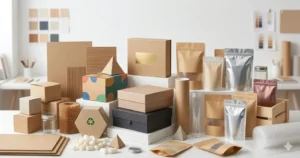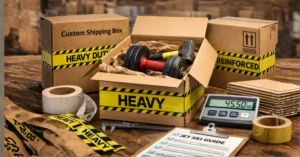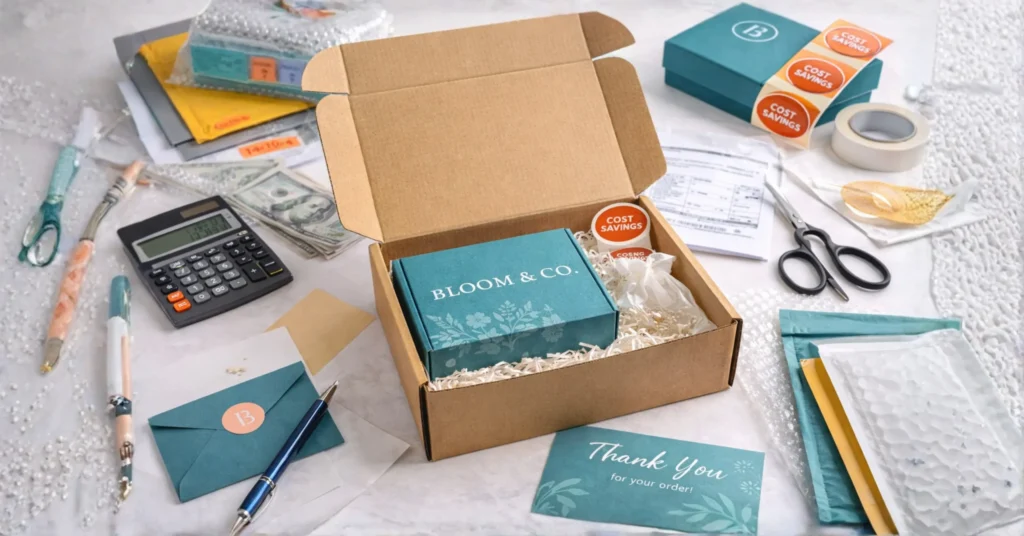
Shipping costs are a critical concern for businesses of all sizes, particularly for small business owners trying to optimize profits without compromising product quality. One of the most effective yet often overlooked strategies to reduce shipping expenses is investing in custom boxes. Thoughtfully designed packaging not only protects products but can also minimize dimensional weight, reduce damage claims, and streamline logistics.
This comprehensive guide will cover everything you need to know about using custom boxes to lower shipping costs, from the basics to advanced strategies, with real-world examples and actionable insights.
Why Shipping Costs Matter for Businesses
Shipping represents a substantial portion of operational costs, especially in e-commerce and retail. The cost isn’t just about postage it includes packaging materials, labor, storage, and returns. Overpaying for shipping can eat into profits, while underestimating the importance of packaging can lead to product damage and customer dissatisfaction. Some key shipping cost drivers include:
- Dimensional weight pricing: Carriers charge based on package size as well as weight.
- Excessive void space: Oversized boxes increase shipping costs unnecessarily.
- Product damage: Replacements due to damage can double shipping expenses.
- Inefficient packing: Poorly designed packaging slows down operations and increases labor costs.
Investing in custom packaging solutions addresses these issues at the source, ensuring your shipping strategy is both cost-effective and brand-aligned.
Understanding Custom Boxes and Their Benefits
Custom boxes are packaging designed specifically for your product’s dimensions, shape, and branding. Unlike standard boxes, they are tailored to maximize efficiency and reduce unnecessary materials.
Key Benefits
Reduced Dimensional Weight Costs
Carriers calculate shipping costs based on dimensional weight, not just actual weight. Custom-sized boxes minimize empty space, reducing the package size and cost.
Enhanced Product Protection
Properly fitted boxes reduce movement inside the package, lowering the risk of damage and costly returns. For fragile products, combining custom boxes with inserts or dividers can prevent breakage (custom dimensions inserts/dividers).
Sustainability and Material Savings
Smaller, efficient boxes use less material, reducing packaging costs and environmental impact. Eco-conscious customers often value sustainable packaging. Check out eco-friendly cosmetic packaging ideas for inspiration.
Improved Brand Perception
Custom boxes offer a premium unboxing experience. Even small businesses can impress customers with branded boxes (custom cosmetic boxes) that reflect quality and professionalism.
Streamlined Storage and Inventory
Uniform, tailored boxes are easier to stack and store, reducing warehouse space and handling time.
How Custom Boxes Reduce Shipping Costs
Reducing shipping costs with custom boxes involves three main strategies: size optimization, material efficiency, and weight management.
1. Optimize Box Size
- Avoid oversizing: Oversized boxes increase dimensional weight charges.
- Consider product grouping: Small items can be combined in a single box rather than shipping separately.
- Use inserts or trays: Prevent movement inside the box without increasing external dimensions (tray boxes).
Example: A company shipping candles traditionally uses a 12x12x12-inch box, but the actual product only requires a 6x6x6-inch box. Switching reduces dimensional weight and saves up to 50% on shipping per box (candle boxes).
2. Select the Right Material
Material choice affects both protection and cost:
- Corrugated cardboard: Lightweight yet strong; ideal for most shipping needs (corrugated boxes guide).
- Kraft boxes: Economical and eco-friendly; suitable for lightweight items.
- Double-wall or reinforced cardboard: Needed for fragile or heavy items but slightly increases shipping weight.
Balance strength with weight over-engineering a box increases shipping costs unnecessarily.
3. Minimize Package Weight
Every ounce counts. Consider: Using lightweight fillers instead of heavy bubble wrap. Choosing thin but durable cardboard.Eliminating unnecessary packaging layers. Example: Switching from standard cardboard to lightweight corrugated boxes for small electronics saved one retailer 20% on shipping costs without compromising protection.
Real-World Applications
E-commerce Businesses
E-commerce businesses often face high shipping fees due to dimensional weight pricing. Custom boxes can help:
- Subscription boxes: Tailored boxes ensure multiple products fit snugly.
- Fragile goods: Inserts prevent breakage, reducing returns.
- Branded boxes: Improve customer retention and repeat purchases (custom printed macaron boxes).
Food & Beverage
Food items need protection but also lightweight and cost-effective packaging:
- Bakery items: custom bakery boxes protect pastries while minimizing size.
- Beverages: Gable boxes and carriers reduce dimensional weight for multiple bottles (4-pack carrier display tray box).
Health & Cosmetics
Cosmetic products benefit from compact, strong, and attractive boxes:
- Lipsticks, creams, and skincare products can ship in snug boxes with inserts (lipstick boxes, cream boxes).
- Reduces shipping damage and enhances unboxing experience.
Advanced Strategies to Reduce Costs Further
Bulk Ordering and Standardization
Custom boxes are more cost-effective when ordered in larger quantities. Standardizing dimensions across product lines can also save on design and production costs (how much does custom packaging cost).
Flat-Pack Designs
Boxes that ship flat to your warehouse reduce inbound shipping costs.Integrated Inserts and Compartments
Pre-fitted inserts reduce the need for additional protective materials and prevent movement during transit.
Shipping Carrier Collaboration
Some carriers offer discounts for consistent box sizes and dimensions. Maintaining uniformity can unlock savings.
Return-Friendly Packaging
Designing boxes that are easy for customers to reuse during returns minimizes reverse shipping costs.
Dimensional Weight
Standard boxes often come in generic sizes, which can lead to wasted space inside the package. Carriers charge based on dimensional weight, so oversized boxes increase shipping costs. Custom boxes are optimized to fit your products exactly, reducing dimensional weight and lowering shipping expenses.
Product Protection
Generic boxes provide only moderate protection, leaving products more vulnerable to damage during transit. Custom boxes are designed to secure items snugly, often with inserts or dividers, which significantly reduces damage and fewer returns.
Material Waste
Standard boxes frequently use more material than necessary, creating waste and unnecessary costs. Custom boxes minimize excess cardboard or filler, resulting in material savings and a more sustainable approach.
Branding Impact
Generic packaging offers little to no branding opportunity. Custom boxes, however, allow you to showcase your brand, creating a premium unboxing experience that improves customer retention.
Storage Efficiency
Standard boxes come in varied sizes, which can make storage less efficient. Custom boxes are designed for uniformity and easy stacking, which saves warehouse space and improves operational efficiency.
Even though custom boxes may have a slightly higher upfront cost, the long-term benefits in shipping savings, reduced returns, material efficiency, branding, and storage often outweigh the initial investment.
Common Questions About Using Custom Boxes
Do custom boxes really save money on shipping?
Yes. By minimizing dimensional weight and protecting products, they reduce shipping fees and prevent costly returns.
Can small businesses afford custom packaging?
Absolutely. Options like custom cosmetic boxes and bakery boxes can be scaled to small orders. Bulk ordering reduces unit cost over time.
What materials are best for shipping efficiency?
Lightweight corrugated cardboard or kraft boxes are ideal for most products, balancing protection and weight.
How do inserts help reduce costs?
Inserts secure products, allowing for smaller external dimensions and fewer protective materials (custom dimensions inserts/dividers).
Can custom boxes enhance brand image while saving money?
Yes. Customers value both safety and presentation. Custom boxes offer a professional unboxing experience, increasing perceived value and repeat business.
Step-by-Step Guide to Implementing Custom Boxes
Assess Your Products
Measure dimensions, weight, and fragility. Identify which products can benefit from size optimization.
Select Box Style
Consider box by style options, including tuck-end, flip-top, and gable boxes.
Choose Materials
Evaluate strength, weight, and cost. Lightweight corrugated or kraft are often ideal.
Design Inserts (if needed)
Use dividers or trays to prevent movement without increasing box size.
Calculate ROI
Use tools like calculate your custom packaging ROI to estimate savings.
Order Samples
Test boxes before bulk orders (free packaging design samples).
Scale Production
Adjust box sizes for standardization across product lines.
Practical Examples from Industries
- Bakery: Custom cupcake and pastry boxes reduce size and protect fragile products (custom printed cupcake boxes).
- Cosmetics: Compact lipstick, cream, and eyeliner boxes prevent damage while enhancing branding (eyeliner boxes).
- Cannabis: Custom boxes with inserts reduce shipping damage for sensitive products (cannabis boxes).
FAQ Section (Schema-Ready)
Q1: What is dimensional weight and why does it matter?
A1: Dimensional weight is a carrier pricing method based on package size. Smaller, snug boxes reduce dimensional weight charges.
Q2: Are custom boxes eco-friendly?
A2: Yes. Custom boxes use less material and can be made from recycled or sustainable cardboard.
Q3: Can custom boxes be reused for returns?
A3: Many custom boxes are designed to be sturdy and reusable, reducing reverse shipping costs.
Q4: How do inserts save money?
A4: Inserts secure products, allowing smaller boxes and less filler material, lowering shipping costs.
Q5: Will custom boxes improve customer experience?
A5: Absolutely. Branded, protective packaging enhances unboxing and customer satisfaction.
Conclusion
Reducing shipping costs doesn’t have to mean compromising on protection or branding. Custom boxes provide a smart solution for small business owners by optimizing size, weight, and materials while enhancing customer experience. From cost savings to improved brand perception, the benefits are clear. To get started, explore custom box options and request a free consultation to identify the perfect packaging solution for your business.