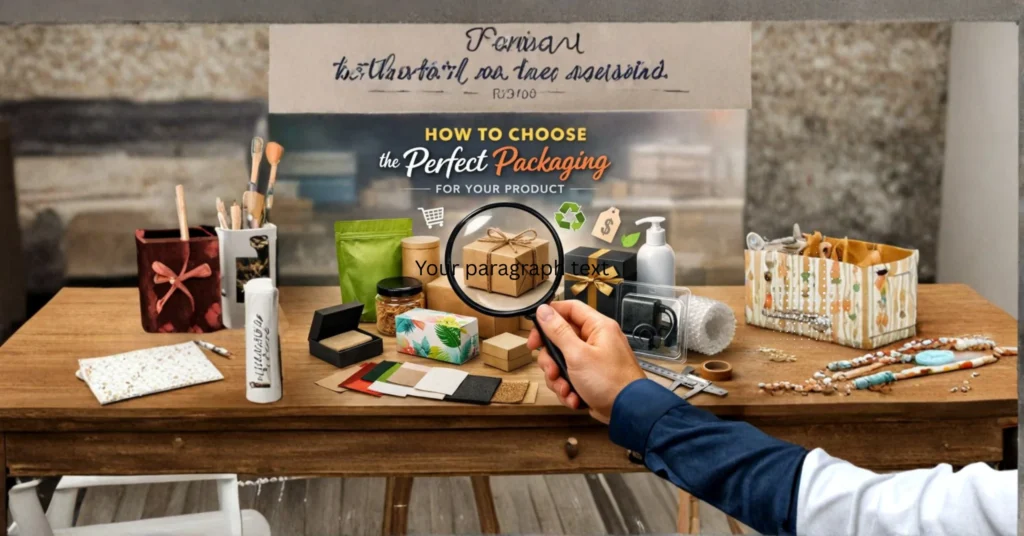
How to Choose the Perfect Packaging for Your Product
Choosing the perfect packaging for your product is not just a design decision it is a strategic business decision that directly affects sales, branding, logistics, and customer trust. For business owners and small business owners, packaging often becomes the difference between a product that competes on price and one that competes on value.
Packaging is the first physical interaction a customer has with your brand. Before they touch the product, use it, or evaluate its quality, they judge the packaging. That judgment happens instantly and subconsciously. This guide is designed to help you make packaging decisions with clarity, confidence, and long-term growth in mind.
Why Packaging Matters More Than Most Businesses Realize
Packaging influences how customers perceive your product, how safely it arrives, and how memorable the experience feels. In competitive markets, packaging often determines whether a customer chooses your product over an alternative especially when price and features are similar.
From a business perspective, packaging affects far more than aesthetics. It directly impacts shipping costs, return rates, storage efficiency, compliance, and customer retention. Well-executed packaging works as a silent salesperson, reinforcing your value proposition without saying a word.
Effective packaging helps you:
- Build instant credibility and trust
- Increase perceived product value
- Reduce damage, returns, and complaints
- Improve shelf visibility and online conversions
- Encourage repeat purchases and referrals
Understand Your Product Before Designing Packaging
Every successful packaging decision starts with a deep understanding of the product itself. Many businesses make the mistake of designing packaging based on trends or visuals rather than practical requirements.
You need to consider the physical characteristics of your product and how it will be handled throughout its lifecycle—from storage and transportation to display and unboxing.
Key product factors to evaluate include:
- Exact dimensions and weight
- Fragility or durability
- Liquid, solid, or perishable nature
- Sensitivity to temperature, moisture, or light
- Single-item or multi-item packaging needs
For example, fragile products require internal protection and stronger materials, while liquids need leak-resistant construction. Products shipped frequently must withstand handling stress, whereas retail-only items can prioritize visual appe
Align Packaging With Industry Expectations
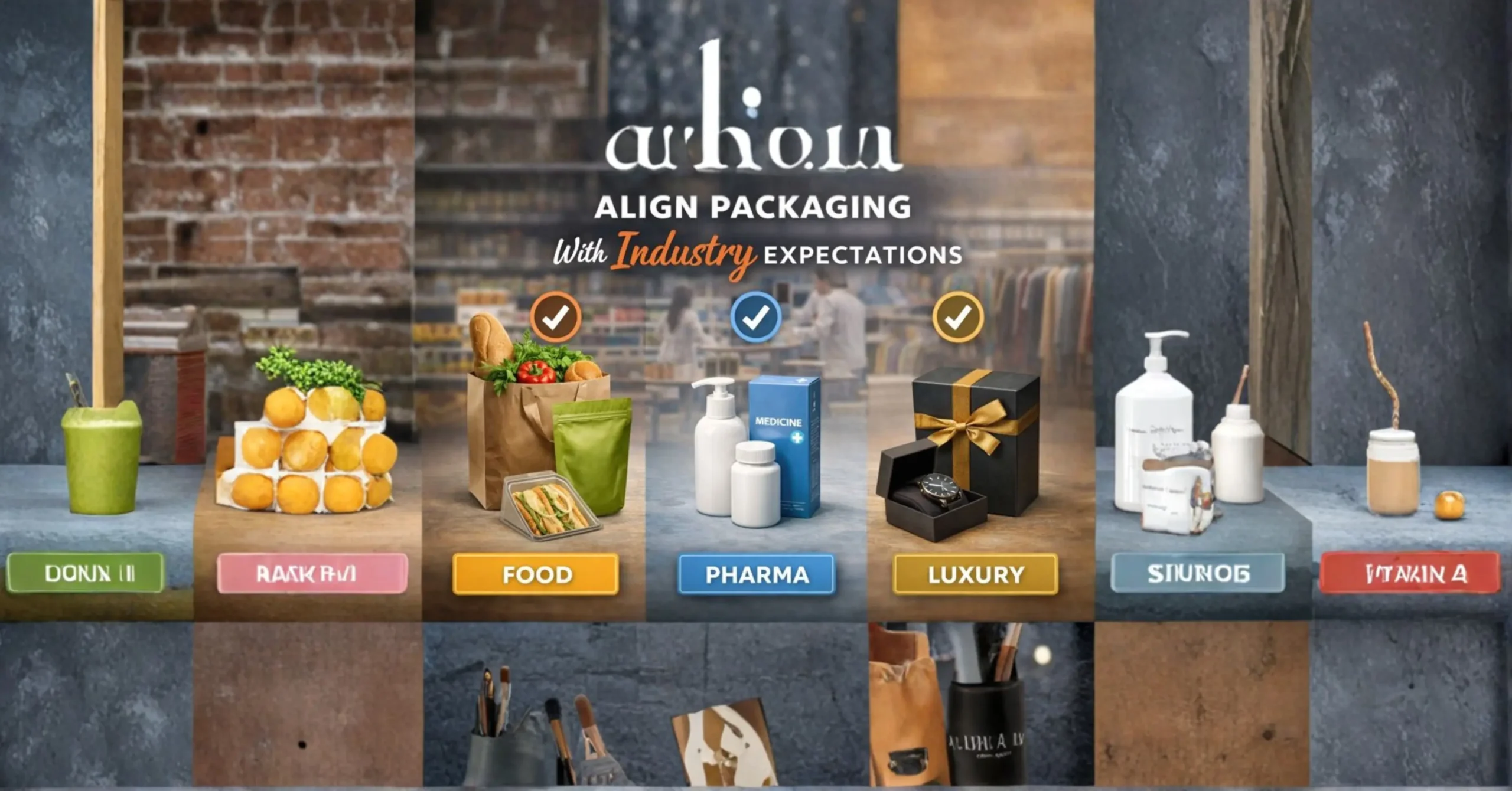
Every industry has established packaging standards, whether formal or informal. Customers instinctively compare your packaging with competing products in the same category. If your packaging feels out of place, it creates hesitation even if your product quality is high.
Food and bakery products must prioritize hygiene, freshness, and food-safe materials, which is why many brands rely on purpose-built bakery boxes. Cosmetic and skincare brands depend heavily on presentation and tactile quality, making premium cosmetic boxes essential for perceived value.
Medical and pharmaceutical products require clarity, compliance, and safety-focused design, which is why specialized medical boxes are critical. CBD brands face additional regulatory and trust challenges, making compliant and secure CBD boxes a necessity rather than a choice.
Choose the Right Packaging Material
Material selection plays a major role in protection, cost, sustainability, and branding. The right material balances durability with presentation while staying aligned with your budget and brand values.
The most commonly used packaging materials include:
- Paperboard and cardboard, ideal for retail products due to excellent print quality and cost efficiency
- Corrugated board, preferred for shipping and heavier items because of its strength and cushioning
- Kraft material, popular for eco-conscious brands due to its natural appearance and recyclability
If your product will be shipped frequently, understanding material strength is essential. This detailed corrugated boxes guide explains how different flute types affect durability and shipping performanc
Select the Right Box Style and Structure
Box style affects how your product is displayed, shipped, opened, and stored. A visually appealing box that is difficult to open or expensive to ship can quickly become a liability.
Different business models benefit from different structures. Retail brands often use tuck-end boxes because they are shelf-ready and cost-effective. eCommerce brands lean toward mailer boxes for durability and unboxing appeal. High-end products frequently use rigid boxes to communicate luxury and exclusivity.
To understand how structural choices impact performance, exploring packaging options by construction type on the box by style page can help clarify which formats align with your goals.
Get Dimensions and Fit Exactly Right
Improper sizing is one of the most common packaging mistakes. Oversized packaging increases shipping costs and wastes materials, while undersized packaging risks damage and poor presentation.
Custom-sized packaging allows the box to fit the product precisely, reducing the need for fillers and improving both protection and appearance. While custom dimensions may slightly increase unit cost, they often lower overall logistics expenses and enhance customer satisfaction.
Design Packaging That Strengthens Your Brand
Packaging design is not about decoration it is about communication. Your packaging should instantly convey who you are, what your product offers, and why it is worth buying.
Strong packaging design relies on consistency across colors, typography, imagery, and messaging. The goal is to make your product instantly recognizable and aligned with your broader brand identity.
Print finishes also influence perception. Subtle choices like matte or gloss coatings can change how premium a product feels in the customer’s hands. This comparison of matte vs gloss finish helps brands choose finishes that support their positioning.
Use Printing Techniques to Increase Perceived Value
Advanced printing techniques can elevate packaging from basic to premium. These enhancements add texture, contrast, and visual interest that customers associate with higher-quality products.
Common premium printing options include:
- Foil stamping for luxury accents
- Embossing or debossing for tactile branding
- Spot UV for visual contrast
- High-resolution CMYK or Pantone color printing
Many businesses reduce risk by requesting free packaging design samples before bulk orders to evaluate quality before committing.
Balance Packaging Cost With Long-Term ROI
Packaging should be evaluated as an investment, not just an expense. Cheap packaging may lower upfront costs, but it often results in higher return rates, weaker branding, and lower customer retention.
Packaging costs depend on materials, box structure, printing complexity, and order volume. Understanding these variables helps businesses make informed decisions. Reviewing this guide on how much custom packaging costs and using a custom packaging ROI calculator can clarify long-term value.
Incorporate Sustainability Thoughtfully
Sustainability has become a purchasing factor for many consumers. Eco-friendly packaging, when done authentically, strengthens brand trust and loyalty.
Sustainable packaging strategies include:
- Using recyclable or biodegradable materials
- Reducing excess packaging and void space
- Communicating sustainability clearly on the package
Beauty and skincare brands often explore solutions like these eco-friendly cosmetic packaging ideas to balance aesthetics with responsibility.
Design for the Unboxing Experience

The unboxing experience is often the most emotional moment in the customer journey. Thoughtful unboxing reinforces brand value and encourages social sharing.
Ease of opening, clean presentation, and purposeful inserts all contribute to how customers remember your brand. A positive unboxing experience increases the likelihood of repeat purchases and word-of-mouth referrals.
Ensure Compliance and Proper Labeling
Packaging must meet legal and regulatory requirements to avoid costly issues. This includes correct labeling, barcodes, ingredient disclosures, and safety information.
Compliance is especially critical for food, medical, cosmetic, and CBD products, where errors can lead to rejected shipments or legal consequences.
Test, Optimize, and Improve Over Time
Packaging should evolve as your business grows. Testing durability, monitoring customer feedback, and refining design elements help keep your packaging efficient and relevant.
Small improvements over time often deliver significant long-term gains.
Choosing the Right Packaging Partner
Your packaging supplier is a strategic partner, not just a vendor. The right partner offers guidance, transparency, scalability, and industry expertise.
If you’re evaluating providers, reviewing insights on reliable custom packaging companies can help you make a confident decision.
Frequently Asked Questions
What is the most important factor when choosing packaging?
Product protection is the foundation. Without it, branding and design lose their impact.
Is custom packaging worth it for small businesses?
Yes. Custom packaging improves credibility, perceived value, and customer loyalty.
How much should a business spend on packaging?
Most brands allocate between 5% and 15% of product cost, depending on positioning and industry.
Final Thoughts
Choosing the perfect packaging is about alignment between your product, your brand, your customers, and your operational needs. When packaging is done right, it becomes a powerful business asset that supports marketing, logistics, and customer experience at the same time.