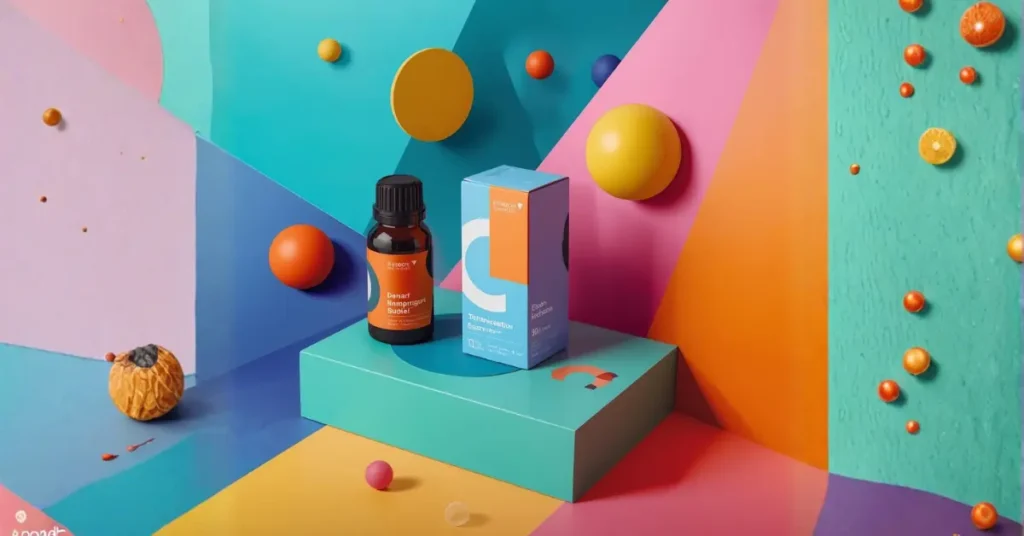
Essential oils are more than just fragrant liquids they are a symbol of wellness, luxury, and natural living. But did you know that the packaging of your essential oils can be just as important as the oil itself? Custom essential oil packaging not only protects your products but also enhances your brand, attracts customers, and boosts perceived value. In this ultimate guide, we will explore everything you need to know about custom packaging for essential oils, from bottle types to sustainability trends, labeling, personalization, and marketing strategies.
Why Custom Essential Oil Packaging Matters
Packaging is often the first impression a customer has of your product. A well-designed essential oil package can communicate quality, brand identity, and professionalism. Here’s why custom packaging is crucial:
1. Brand Identity & Recognition
Your packaging is a direct reflection of your brand. Custom essential oil boxes and bottles can distinguish your brand from competitors and make your products instantly recognizable. A cohesive design across bottles, labels, and boxes ensures that your customers remember your brand. For inspiration, you can explore essential oil boxes that combine elegance with functionality.
2. Perceived Value & Luxury Appeal
High-quality packaging can elevate a product from ordinary to premium. Amber glass bottles with droppers, frosted finishes, or custom labels convey luxury. Even the smallest details, such as embossed text or metallic foiling, can make your essential oils feel more exclusive.
3. Protection & Freshness
Essential oils are highly sensitive to light, air, and temperature changes. Proper packaging ensures the oils maintain their potency and fragrance. Using UV-protective amber or cobalt blue bottles safeguards the contents from degradation, while sturdy custom boxes provide an extra layer of protection during shipping.
4. Sustainability & Eco-Friendliness
Eco-conscious consumers increasingly prefer sustainable packaging. Recyclable glass bottles, biodegradable labels, and paper-based boxes appeal to this growing market. By incorporating sustainable solutions, you demonstrate responsibility and attract environmentally aware customers.
5. Marketing & Storytelling
Packaging isn’t just functional it’s a marketing tool. Labels can tell your brand story, highlight ingredients, or convey product benefits. For example, custom essential oil boxes can feature a minimalistic design that emphasizes natural, organic qualities, or vibrant graphics that highlight your brand’s personality.
Types of Essential Oil Packaging
The type of packaging you choose impacts both aesthetics and functionality. Let’s explore the most popular options:
1. Bottles
Glass bottles are the most common choice for essential oils. They come in various colors and finishes:
- Amber Glass: Protects oils from UV light and is perfect for daily-use blends.
- Cobalt Blue Glass: Offers a luxurious feel and protects sensitive oils.
- Frosted or Clear Glass: Gives a modern, sleek look, often used for premium blends.
- Dropper Bottles: Ensure precise dispensing and enhance the user experience.
2. Caps & Droppers
The cap and dropper design can influence the usability and perceived quality of your product. Options include:
- Bamboo droppers for an eco-friendly touch.
- Black or gold plastic droppers for a premium look.
- Child-resistant caps for safety, especially for therapeutic oils.
3. Boxes & Sleeves
Boxes add protection and enhance presentation. Popular styles include:
- Custom Printed Essential Oil Boxes: Perfect for branding and storytelling.
- Gift Sets & Kraft Boxes: Ideal for premium or seasonal products.
- Windowed Boxes: Allow customers to see the product inside, increasing engagement.
You can explore a variety of styles on box-by-style.
Labeling & Branding
Labels are more than decorative they provide essential information and convey brand identity.
1. Design & Aesthetics
Choose a design that reflects your brand values. Minimalist labels with neutral colors work well for organic or wellness brands, while vibrant, artistic designs can appeal to younger audiences. Use typography that complements your brand personality.
2. Custom Shapes & Finishes
- Embossed Labels: Add texture and a tactile premium feel.
- Metallic Foiling: Creates a luxurious and eye-catching appearance.
- Matte vs Gloss Finishes: Matte offers elegance, while gloss adds vibrancy. Learn more about matte vs gloss finish.
3. Functional Labels
- QR Codes: Link to tutorials, ingredient information, or brand stories.
- Instructions & Warnings: Clear labeling ensures safe and effective use.
Sustainability Trends
Eco-friendly packaging is no longer optional it’s an expectation for many customers. Here’s how you can make your essential oil packaging sustainable:
- Recyclable Glass Bottles: Reduce environmental impact.
- Biodegradable Labels & Inks: Safe for the planet.
- Refillable Packaging: Encourages repeat purchases while minimizing waste.
Brands focusing on eco-conscious packaging often see enhanced customer loyalty and positive brand perception. Check eco-friendly cosmetic packaging ideas for inspiration.
Personalization & Gifting Options
Personalized packaging adds a special touch that appeals to consumers:
- Custom Labels & Engraving: Add names, messages, or quotes.
- Gift Sets & Seasonal Packaging: Perfect for holidays or wellness kits.
- Subscription Packaging: Enhance customer retention with branded boxes.
For example, offering personalized diffuser boxes alongside essential oils can increase perceived value and attract gift buyers.
Design & Marketing Tips
Your packaging design isn’t just about aesthetics it’s part of your marketing strategy.
1. Color Psychology
Colors can influence emotions and purchasing behavior. For essential oils:
- Lavender Oil: Purple suggests relaxation.
- Peppermint Oil: Green conveys freshness.
- Citrus Blends: Yellow evokes energy and positivity.
2. Typography & Layout
Use fonts that reflect your brand personality. Clean, modern fonts convey professionalism, while handwritten fonts suggest a personal touch.
3. Packaging as a Marketing Tool
Your packaging can drive brand engagement:
- Unboxing Experiences: Share on social media to boost organic reach.
- Storytelling on Labels: Include origin, benefits, or sustainability practices.
Common Mistakes to Avoid
Even small mistakes in packaging can hurt your brand:
- Using cheap materials that reduce perceived value.
- Failing to protect oils from UV light.
- Overcomplicating labels with too much information.
By carefully selecting bottles, boxes, and labels, you can avoid these common pitfalls.
Future Trends in Essential Oil Packaging
Stay ahead by adopting emerging trends:
- Smart Packaging: QR codes, AR experiences, and digital integration.
- Minimalist Designs: Clean, simple packaging resonates with modern consumers.
- Eco-Luxury: Combining sustainable materials with premium aesthetics.
- Refillable & Modular Packaging: Encourages repeat purchases and reduces waste.
Conclusion
Custom essential oil packaging is more than just a container it’s an extension of your brand, a marketing tool, and a way to enhance customer experience. From selecting the right bottle and dropper to designing labels, boxes, and gift sets, every element plays a role in attracting, retaining, and delighting customers.
By investing in thoughtful, high-quality packaging, you not only protect your essential oils but also create a brand that resonates with consumers, stands out in the market, and drives long-term loyalty.
If you’re ready to take your essential oils to the next level, consider exploring custom essential oil boxes or getting a free consultation to design your perfect packaging solution today.