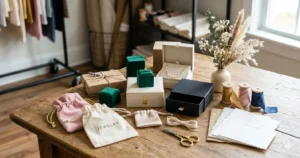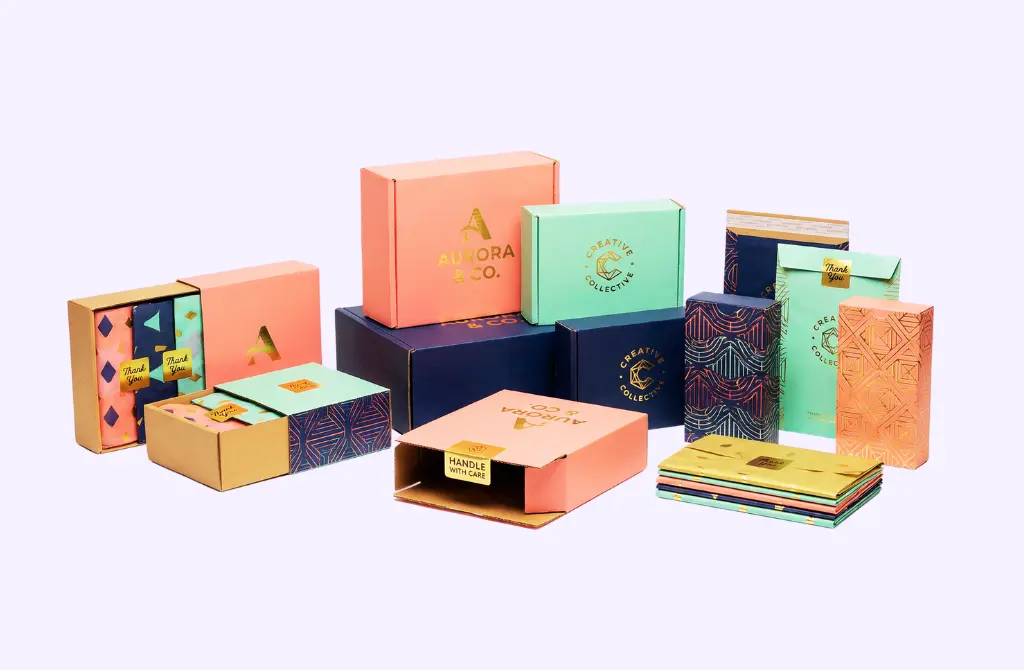
If you’ve ever purchased something online and felt that tiny spark of joy when opening a beautifully packaged item, you know how powerful packaging can be. For print-on-demand (POD) sellers, this isn’t just about looks it’s about creating a brand experience that sticks, encourages repeat purchases, and makes customers feel special.
In this guide, we’ll cover everything about POD and custom packaging from choosing products to designing boxes, integrating into your workflow, managing costs, and using packaging as a marketing tool. By the end, you’ll know exactly how to turn simple POD orders into unforgettable unboxing moments.
Understanding Print on Demand and Custom Packaging Intent
When someone searches for “print on demand with custom packaging,” they’re usually after multiple things:
- Actionable steps for adding packaging to POD products
- Supplier recommendations for branded packaging
- Design inspiration that sells
- Cost-saving tips for small businesses
- Marketing strategies using packaging
You see, most POD sellers focus only on the product itself but the packaging is the first tactile impression of your brand. It’s the thing your customer sees and touches before your product. And honestly, a product can be amazing, but a poor packaging experience can ruin it.
Step 1: Choosing the Right POD Products
Before you can think about boxes, mailers, or sleeves, you need to know what products you’re selling. Each type of POD product has specific packaging requirements:
- Apparel (t-shirts, hoodies, leggings): Lightweight poly mailers or custom sleeves work best. You want the packaging to be durable but flexible.
- Drinkware (mugs, bottles, tumblers): Requires strong boxes, sometimes with padding or inserts, to prevent breakage.
- Accessories (phone cases, tote bags, jewelry): Lighter boxes or mailers work, but a branded unboxing experience can elevate perception.
- Cosmetics and health products: Creams, oils, serums, and essential oils need protective yet visually appealing boxes. Check out Cosmetic Boxes for ideas.
- Food and bakery items: Boxes must protect the item and keep it fresh; consider Bakery Boxes for inspiration.
- Tech gadgets: Products like headphones, small electronics, or chargers often require inserts to secure items in place.
Pro Tip: Always order product samples with packaging to see how it looks and feels in real life. This step is non-negotiable if you want a premium unboxing experience.
Step 2: Selecting POD Suppliers That Offer Custom Packaging
Not all POD platforms support branded packaging. If your supplier can’t add logos, custom designs, or inserts, your branding efforts might fall flat. Look for:
- Custom printed boxes, bags, and sleeves
- Branded inserts like thank-you notes, discount codes, or stickers
- Flexibility for multiple product types
CDP offers excellent custom printing solutions that integrate with POD workflows. They provide everything from bakery and retail boxes to cosmetic packaging, helping you maintain brand consistency across product lines.
Step 3: Designing Packaging That Sells
Your packaging isn’t just protection it’s a marketing tool. Done right, it increases perceived value, encourages repeat purchases, and boosts social media engagement.
Key Design Elements:
- Logo placement: Prominent but tasteful
- Brand colors and typography: Consistency is key
- Finishes: Matte, gloss, embossing, or textured materials
- Inserts: Thank-you cards, instruction manuals, or promotional material
Product-Specific Packaging Ideas:
- For cosmetics: Flip Top Boxes with Window
- For apparel and accessories: Tuck End Boxes Flip Covers
- Premium items: Tray Boxes or Lid Boxes
Fun fact: Branded packaging can increase repeat purchase likelihood by up to 30%, according to recent eCommerce studies.
Step 4: Integrating Packaging Into Your Workflow
Packaging is useless if it slows down your operations. To integrate custom packaging efficiently:
- Upload designs to your supplier platform
- Assign specific packaging types to each product
- Automate fulfillment wherever possible
Automation ensures accuracy, speed, and brand consistency. CDP provides solutions like Sleeve Packaging and Paper Bags for Gifts that make this process seamless.
Example Workflow:
- Customer places an order
- POD platform assigns the correct packaging template
- Supplier prints product and packages in custom box
- Branded inserts are added
- Order is shipped
Step 5: Cost Management Strategies
Custom packaging can increase costs but with smart planning, it can be affordable and profitable:
- Start small: Order low-quantity batches to test demand
- Lightweight materials: Reduce shipping costs
- Supplier comparison: Check printing and material costs
- Eco-friendly options: Increasingly popular with customers
CDP’s Get a Quote feature lets you calculate exact packaging costs before committing, helping you plan ROI efficiently.
Step 6: Using Packaging as a Marketing Tool
Your packaging can double as a silent marketing channel:
- Make it Instagram-worthy to encourage user-generated content
- Include seasonal designs or limited-edition boxes
- Add inserts like discount codes, loyalty points, or referral links
Example: A small cosmetic brand used custom Cosmetic Boxes with unique gold foil designs. Customers shared unboxing videos on Instagram, boosting sales by 25% in one quarter.
Remember: Customers may forget your product, but they rarely forget a memorable unboxing experience.
Step 7: Testing, Feedback, and Optimization
Even the best-designed packaging needs testing:
- Order sample shipments
- Conduct unboxing tests with friends or small focus groups
- Monitor reviews and feedback
- Update packaging seasonally or with new products
CDP offers customizable options like Custom Dimensions Boxes with Lid Auto Lock Bottom that allow precise testing and fit adjustments.
Step 8: Scaling Your POD Business
Once your packaging is optimized:
- Automate bulk orders with your supplier
- Expand product lines with appropriate packaging
- Use packaging to build customer loyalty and repeat purchases
CDP’s Shop section is perfect for exploring full-scale packaging solutions across multiple product types.
Product-Specific Tips for POD Packaging
Apparel
- Lightweight mailers or foldable boxes
- Branded tissue paper for unboxing effect
- Stickers or thank-you notes
Cosmetics
- Protective boxes for fragile items
- Eye-catching design finishes
- Inserts with usage instructions or discounts
Food & Bakery Items
- Sturdy boxes for freshness
- Windowed boxes like Flip Top Boxes with Window
- Seasonal and gift packaging for marketing
Accessories & Tech
- Custom trays or inserts to secure items
- Branded sleeves or small boxes for premium perception
- Protective yet lightweight materials
Common Mistakes to Avoid
- Cheap, flimsy packaging: Reduces perceived value
- Ignoring inserts: Missed marketing opportunities
- Workflow disruption: Packaging slows down fulfillment
- Skipping eco-conscious options: Many buyers care about sustainability
FAQs and Long-Tail Queries
Q: What is the best POD packaging for mugs?
A: Strong boxes with foam inserts or molded pulp packaging. Check Retail Boxes for options.
Q: How can I make packaging affordable for a small POD business?
A: Start small, use lightweight materials, and order in bulk once you validate designs. Get a Quote to plan costs.
Q: Can I use sustainable packaging for POD products?
A: Absolutely. Materials like kraft boxes, recyclable inserts, and eco-friendly mailers are widely available. CDP offers many sustainable options.
Q: How to make POD packaging Instagram-worthy?
A: Unique designs, textures, and inserts create visually appealing unboxing experiences. Seasonal or limited-edition packaging performs especially well.
Conclusion
Custom packaging isn’t just a fancy add-on it’s an essential part of your POD business strategy. From improving perceived value and encouraging repeat purchases to creating shareable unboxing moments, packaging can transform ordinary orders into memorable experiences.